


Tuxedo vs Suit: What’s the Difference and When to Wear Each
Got a formal event on the calendar? Whether it's a grand wedding or exclusive gala, the exact dress code isn't always clear. So, if you're deciding between a tuxedo vs suit, this is the guide for you! This article unpacks the rules of formal dress, with expert dress code tips from the team at Henry Bucks.
What Is a Tuxedo?
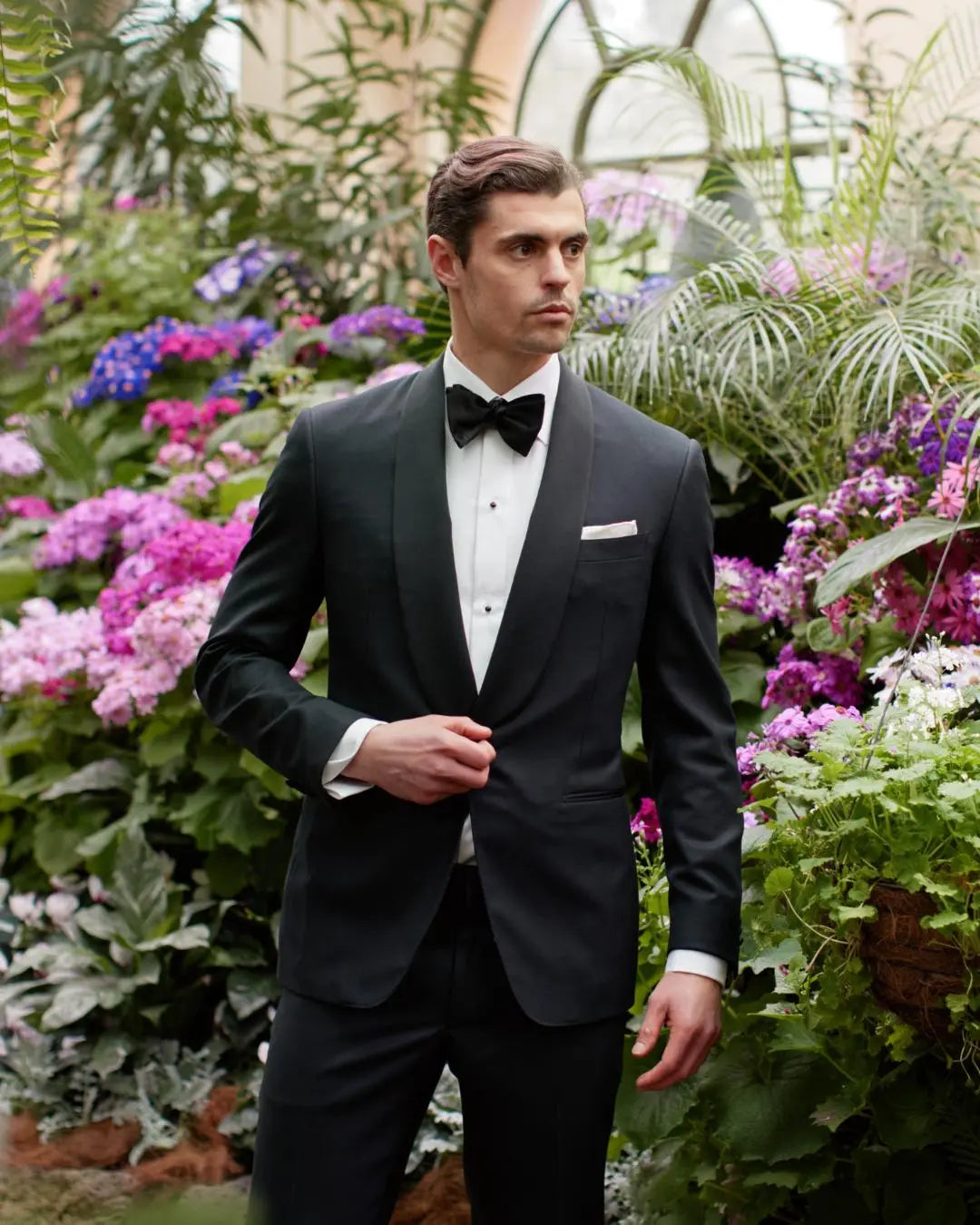
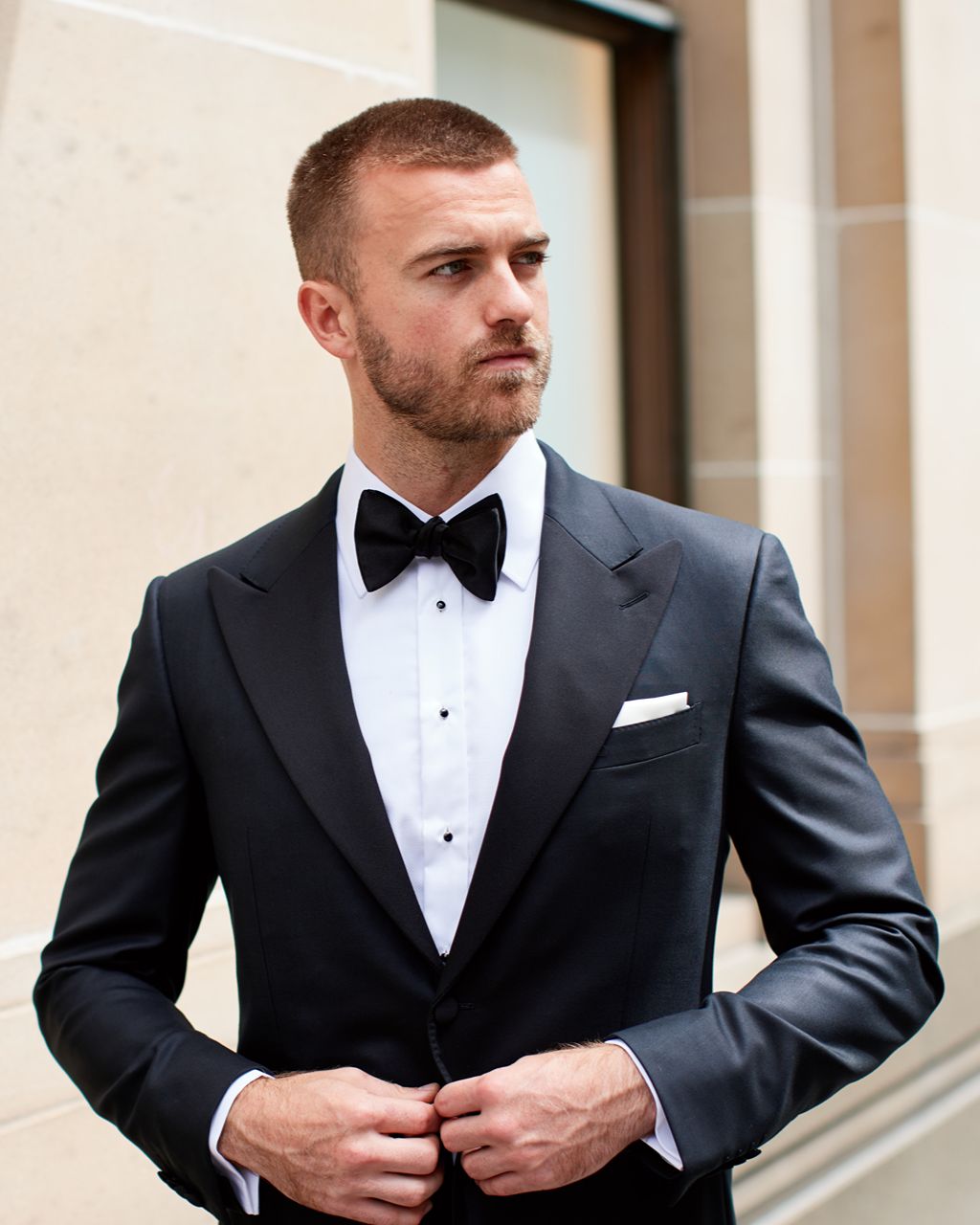
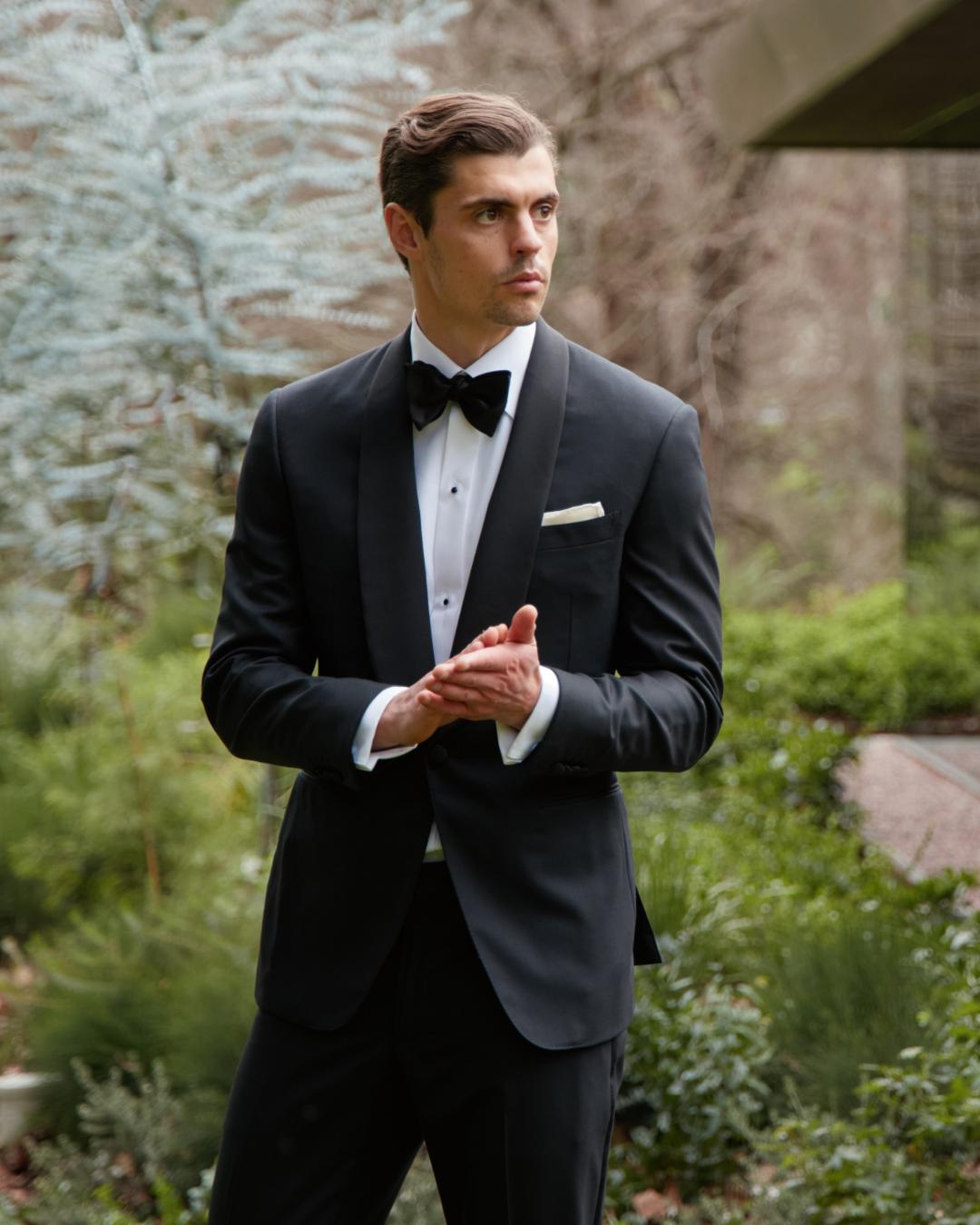
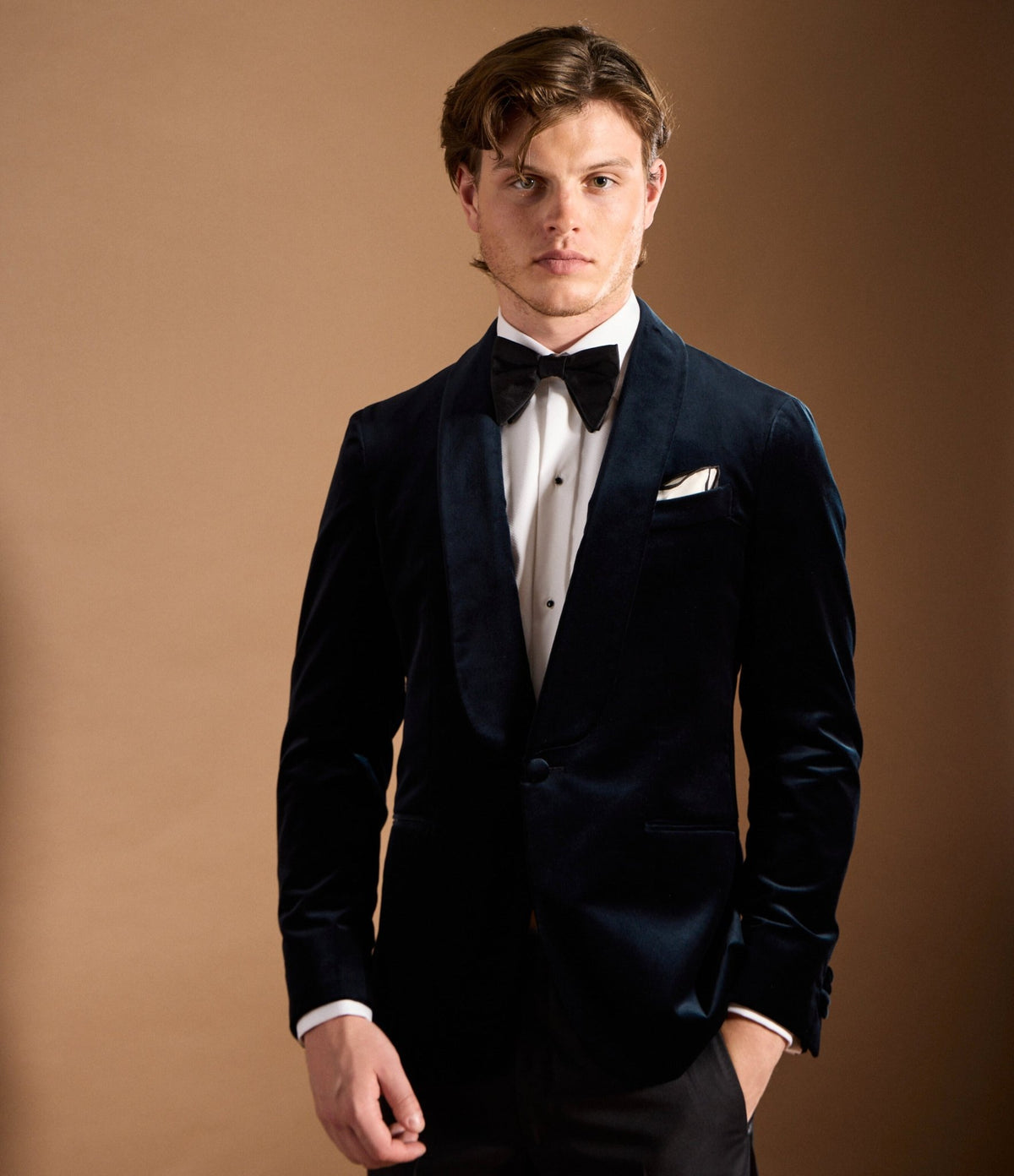
The tuxedo, sometimes called a "dinner jacket", originated in the late 19th century as a more relaxed alternative to tails at formal dinners. It usually features satin lapels (either peaked or shawl collar), and trousers with a matching satin stripe down the side, without belt loops to ensure a sleek silhouette. A tuxedo is almost exclusively paired with a crisp white dress shirt, a bow tie, and highly polished patent leather dress shoes, and is strictly reserved for black-tie events.
What Is a Suit?
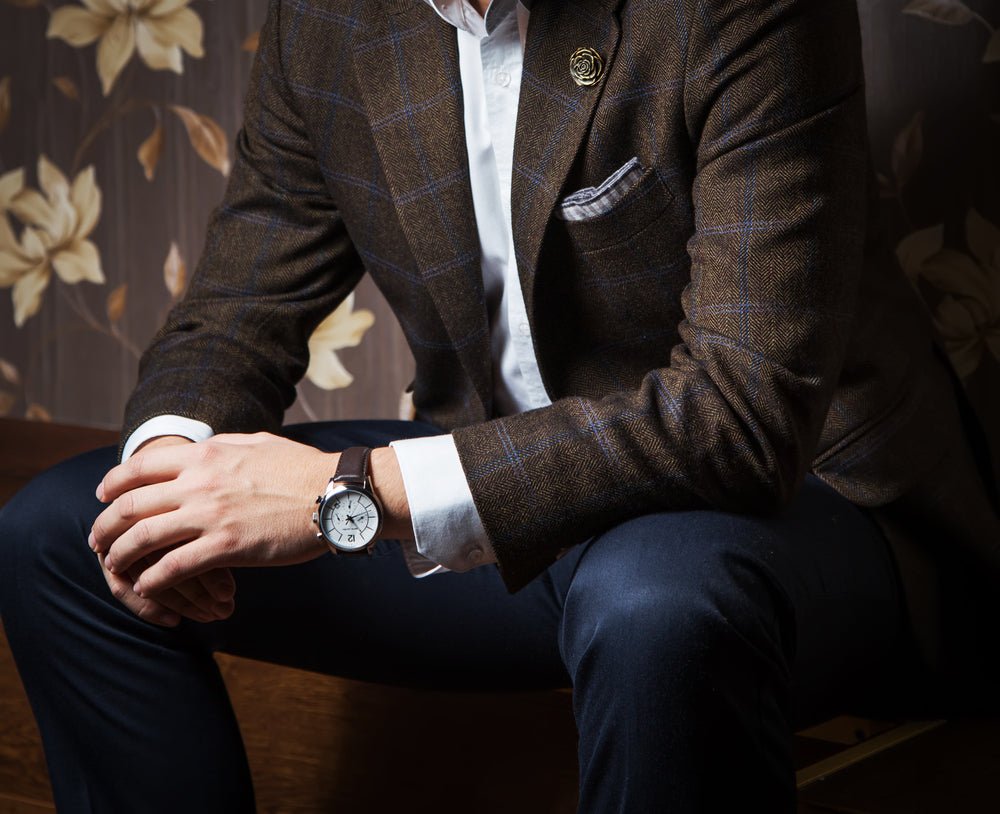
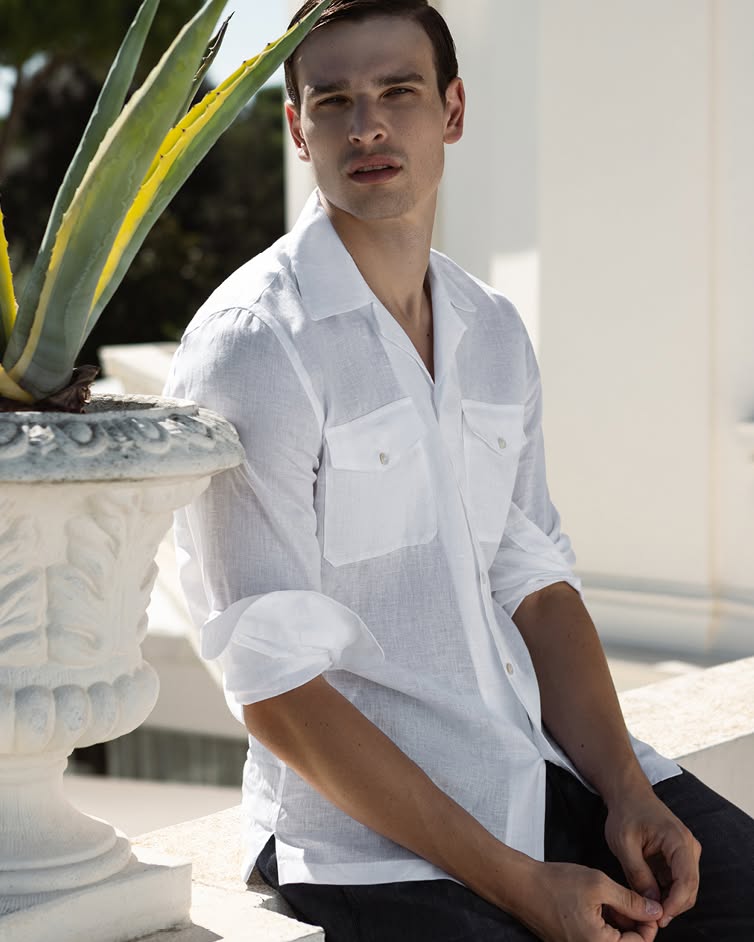
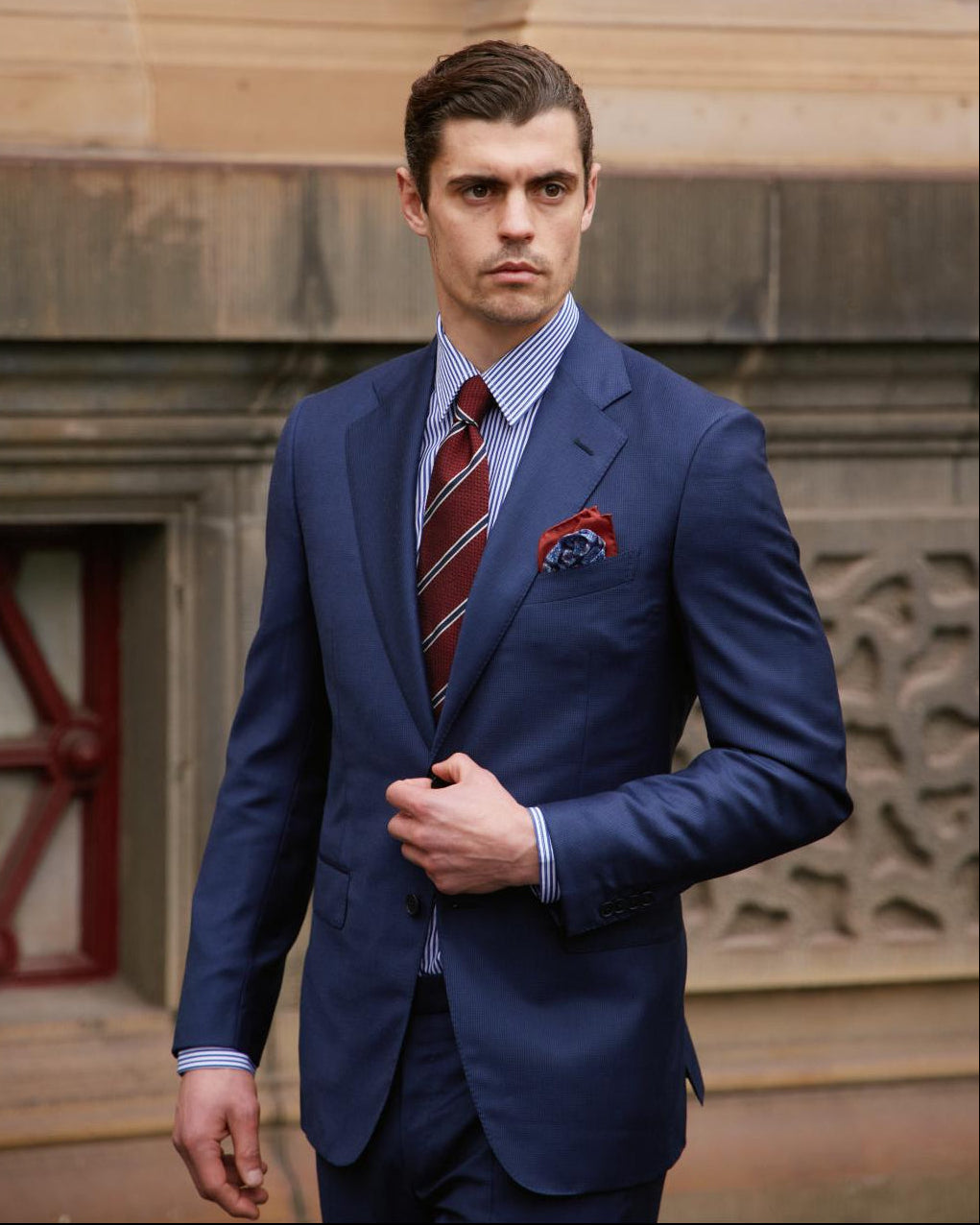
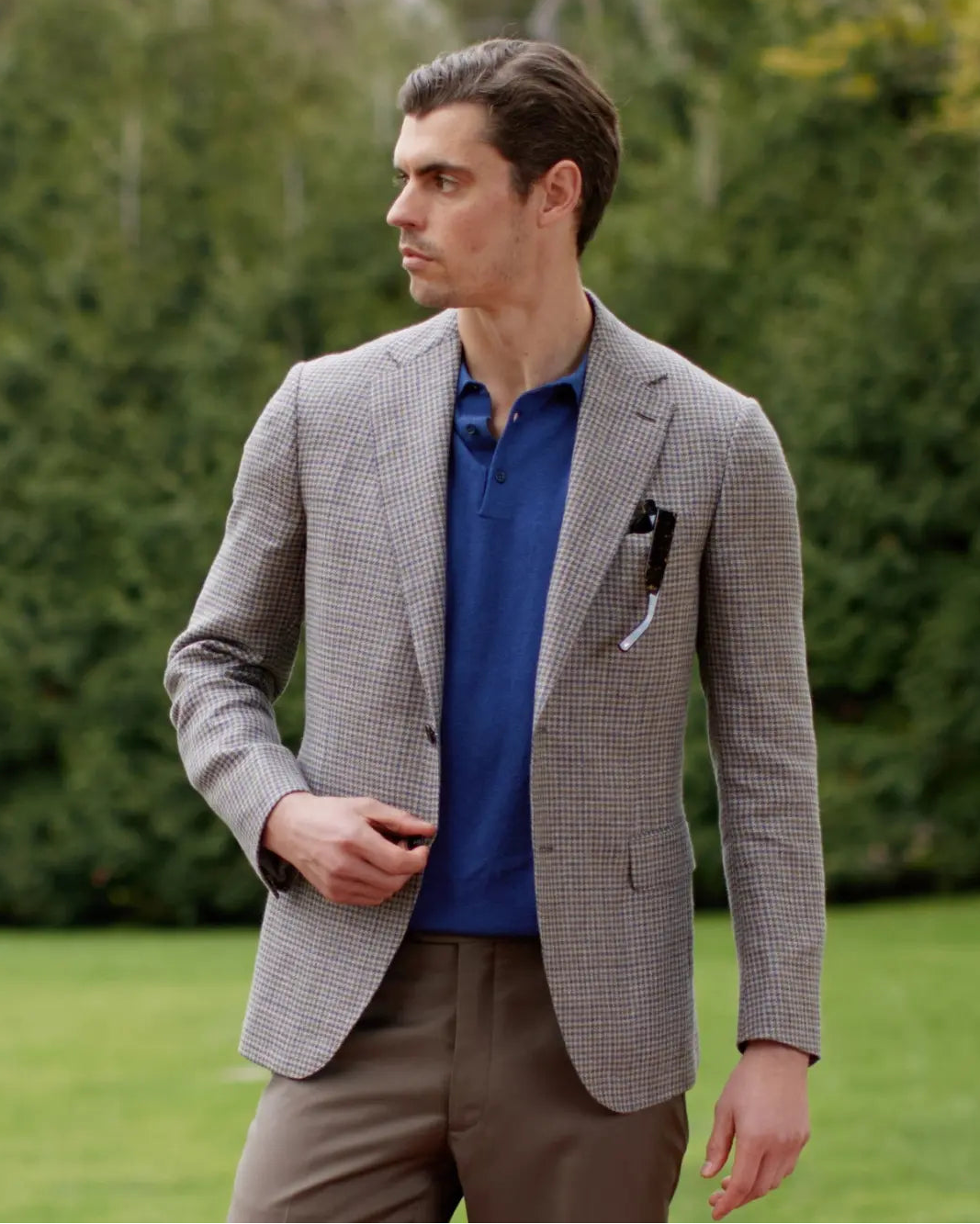
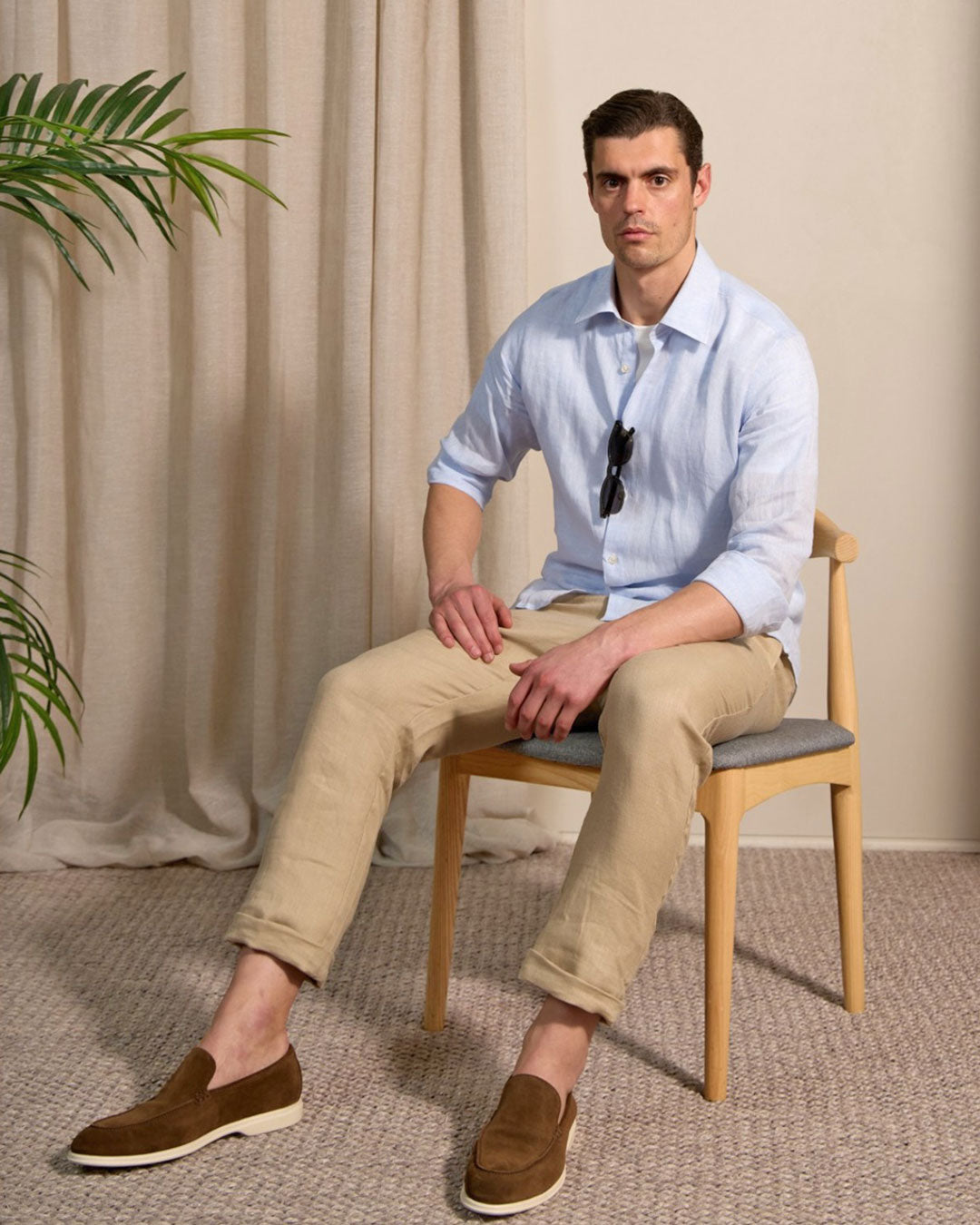
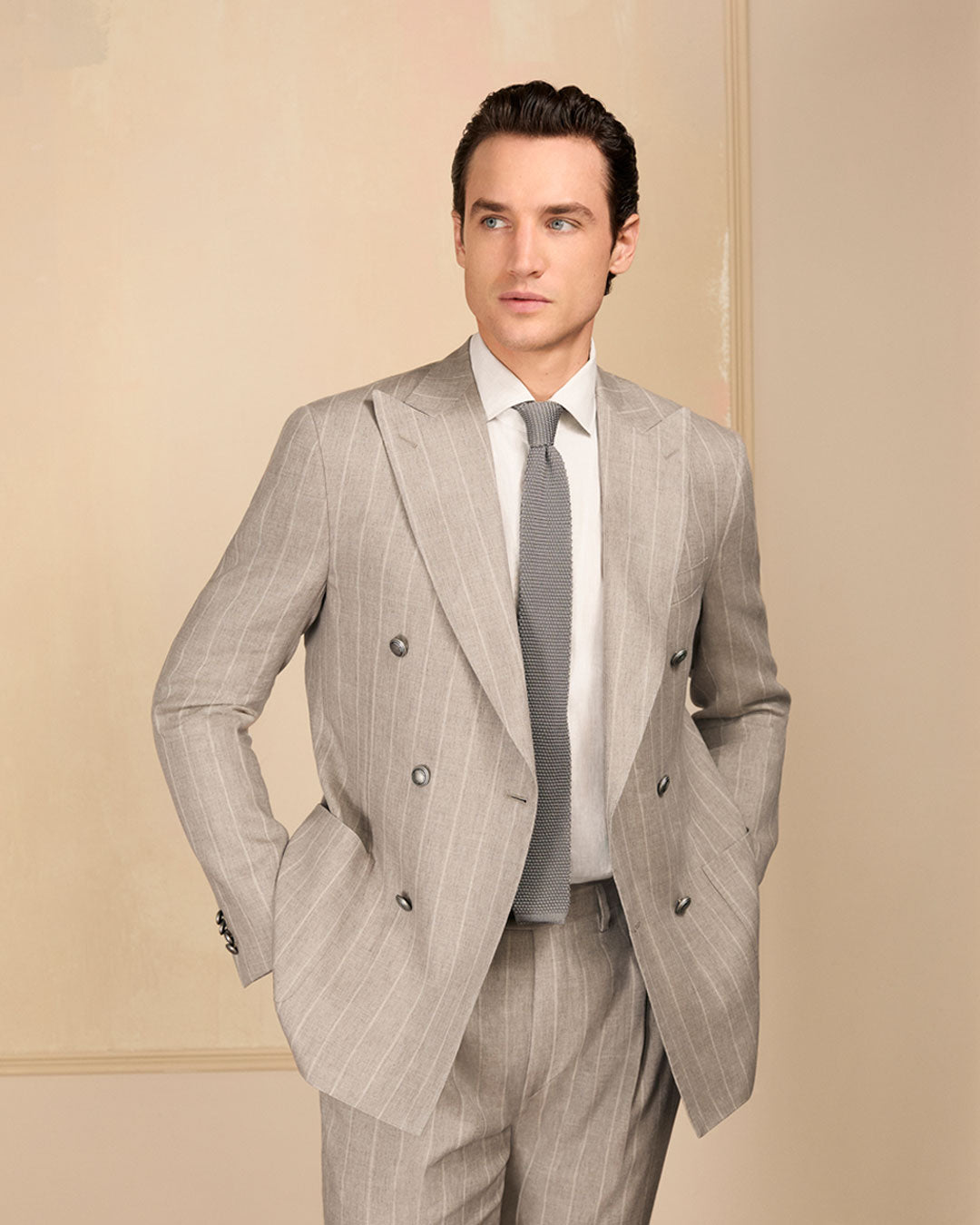
In contrast to the tuxedo's formality, a suit is far more versatile, serving as the backbone of your wardrobe for everything from daily work and business meetings to weddings and cocktail events. Most often made from wool, linen, or cotton (without satin detailing), a suit can be worn with a tie, bow tie, or an open collar, offering a wide choice of colours and cuts to match your personal style.
Tuxedo vs Suit: Key Differences
While both a tuxedo and formal suit are essential to any respectable wardrobe, they're actually quite different and appropriate to specific occasions. Use this simple guide to choose between a tux vs suit.
|
Feature |
Tuxedo |
Suit |
|
Lapels |
Satin-covered |
Same fabric as rest of jacket |
|
Pants |
Satin stripe, no belt loops |
Plain, usually with belt loops |
|
Shirt |
Formal shirt with studs |
Dress shirt with buttons |
|
Shoes |
Patent leather or opera pumps |
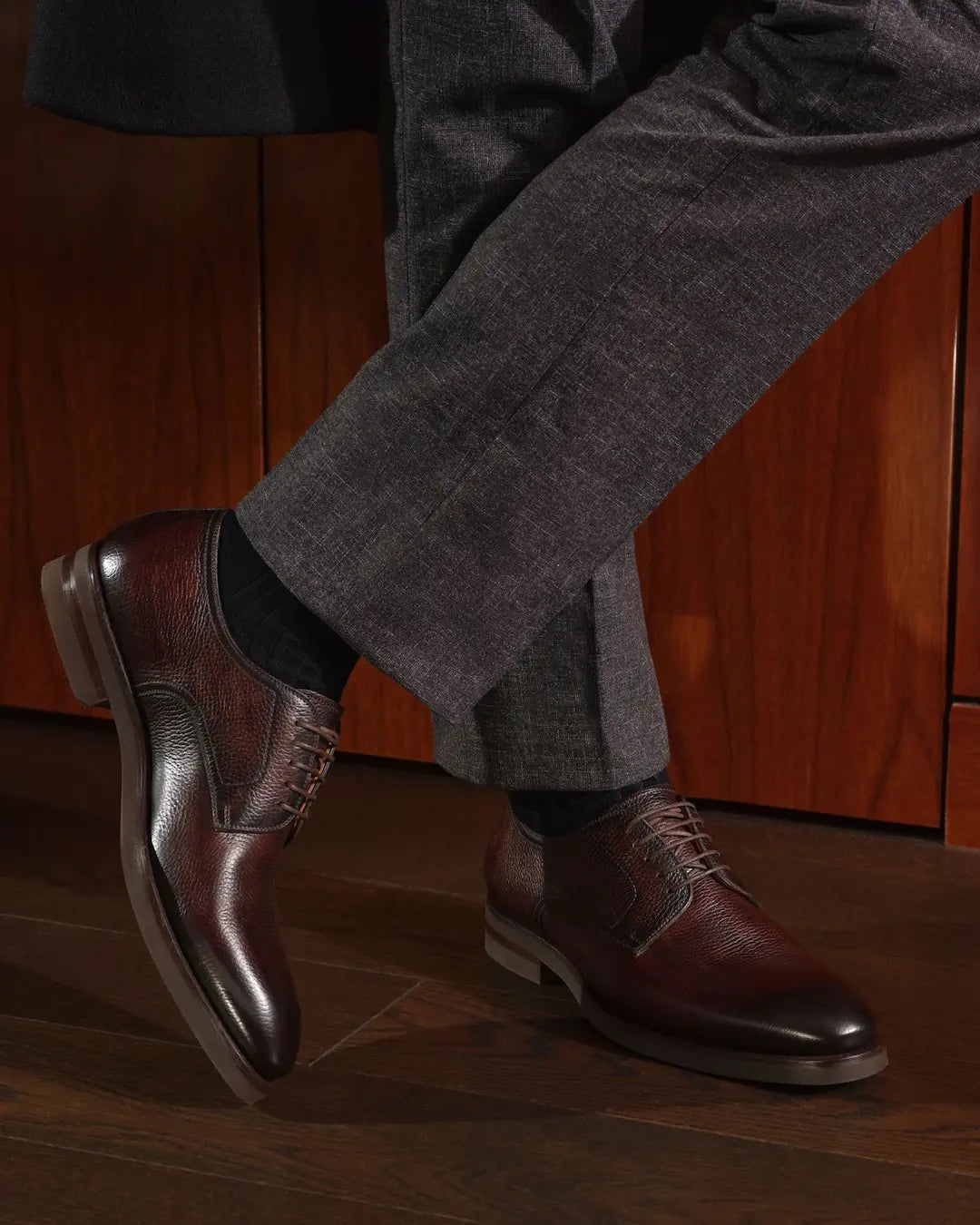
Oxfords, brogues, loafers |
|
Tie |
Bow tie |
Necktie or open collar |
|
Occasions |
Black tie, galas, formal events |
Weddings, business, semi-formal |
|
Time of Day |
Evening |
Any time |
When to Wear a Tuxedo
A tuxedo is your go-to for the most formal events. Think black-tie weddings, prestigious award ceremonies, grand galas, and formal dinners. You'll often see them at proms and high-school formals too. The golden rule is usually after 6 pm, and typically, the invitation itself will clearly specify "Black Tie" as the dress code, so there's no guesswork involved.
When to Wear a Suit
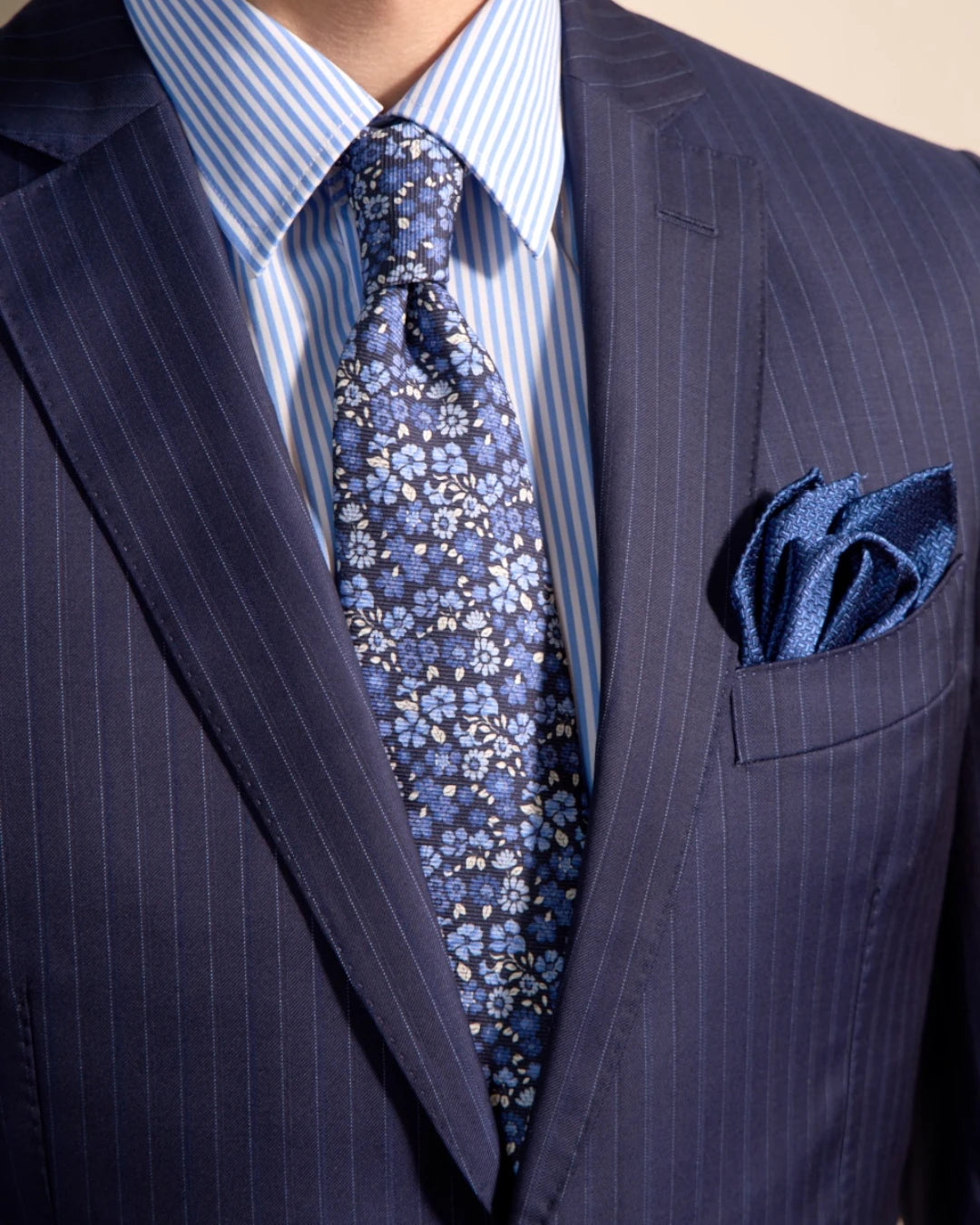
Choose a suit for daytime weddings, job interviews, important business meetings, and other, less formal but still sophisticated occasions. The great thing about a suit is its flexibility. You can easily style it up or down with luxury accessories like a tie or pocket square, and with carefully selected cuts and fabrics. It's appropriate for both day and evening events, as long as a strict "Black Tie" isn't specified.
Tuxedo vs Suit for Weddings
When planning for the big day, choosing between a tuxedo vs suit for weddings is a common dilemma. Here’s how to make the right choice:
-
Should the Groom Wear a Tux? A tuxedo is best for black-tie evening weddings. A formal suit suits daytime or less formal evening events.
-
Consider the Formality: Always match attire to the wedding's theme and time of day (like ballroom vs. garden party).
-
Matching with Groomsmen: Ensure groomsmen consistently match the groom's chosen level of formality, whether tuxedo or formal suit.
-
When a Suit is More Appropriate: A suit excels where a tuxedo feels out of place, such as beach or country wedding, or any non-black-tie daytime event.
4 Final Style Considerations
Beyond the traditional rules, mastering formal wear comes down to a few key styling considerations, helping you decide between tuxedo vs suits:
-
Fit and Tailoring are Paramount: Impeccable fit is non-negotiable. A perfectly tailored garment enhances your silhouette and exudes sophistication.
-
Tuxedos are Statement Pieces: View your tuxedo as a statement look for ultra-formal events. It’s all about prioritising sophistication over everyday versatility.
-
Suits Allow for Personal Style: A formal suit offers give you freedom of expression through colours, patterns, and accessories, allowing for repeated wear.
-
Respect the Dress Code: In strict dress code events (especially "Black Tie"), you generally cannot substitute a tuxedo for a suit. This is the time to let the tux shine!
Whatever event you have planned, Henry Bucks is here to help you make a statement. Since 1890, we’ve been suiting Melbourne's best dressed men. Whether you’re planning a sleek tux or elegant formal suit, we welcome you to visit us in-store for expert advice. Or, explore our online collection for impeccable looks that express your unique style.
Frequently Asked Questions
Can I wear a suit to a black-tie event?
No, you generally should not wear a suit to a black-tie event. This dress code strictly calls for a tuxedo, meaning a suit would make you a little underdressed for the occasion.
Can I wear a tuxedo to a wedding as a guest?
You can wear a tuxedo to a wedding as a guest, but only if the invitation explicitly states "Black Tie" as the dress code. Otherwise, it's best to wear a formal suit to avoid over-dressing for the occasion and outshining the groom.
What shoes go with a tuxedo?
For a tuxedo, the classic choices are black patent leather oxfords or opera pumps, both known for their high shine. In some less traditional black-tie settings, black velvet slippers can also be an acceptable and stylish option. Henry Bucks offers one of the best collections of formal shoes for men in Melbourne, ensuring your footwear perfectly matches the dress code.
Do tuxedos always have satin?
Yes, tuxedos traditionally include satin or grosgrain accents on the lapels, buttons, and a stripe down the trousers. While modern interpretations might downplay these details or offer subtle variations, these details are key to differentiating a tuxedo from a formal suit.
Is a black suit the same as a tuxedo?
No, a black formal suit is not the same as a tuxedo. A tuxedo is distinguished by its satin lapels and trouser stripe. A black suit is made entirely from the same fabric and lacks these signature details.